“My dear friend, what is this our life? A boat that swims in the sea, and all one knows for certain about it is that one day it will capsize. Here we are, two good old boats that have been faithful neighbors, and above all your hand has done its best to keep me from “capsizing”! Let us then continue our voyage—each for the other’s sake, for a long time yet, a long time! We should miss each other so much! Tolerably calm seas and good winds and above all sun—what I wish for myself, I wish for you, too, and am sorry that my gratitude can find expression only in such a wish and has no influence at all on wind or weather!”
Friedrich Nietzsche
We are all going to die.
I have a dear philosophy friend who is a rough sleeper and I always accommodate him with a bed to rest when he is in times of trouble. Homelessness is a kind of wandering, not knowing where you are going to end up for the night–whether it will be in a shrub, next to a public toilet, the bench out front of a Banhi Mi shop (where the land lord has just recently decided to install sensor lights to move you on “that’s the bench, that’s where they sleep”). We (my philosophy friend, B) spend a lot of time walking, sitting on benches, sipping coffee, discussing a concept authentikos, which means to be without a mask. Just yesterday we had Halloween which made this conversation timely—Professor Xavier, Mrs. Incredible, Boycows and Girlcows, The Confederacy of Dunces, Butterflies, Aliens, Furries, Gina Reinhardts, Greco-Roman Tradies, oh and don’t forget Jane Margolis.. you won’t be confusing her for for that Pulp Fiction character, Mia Wallace. Oh, The Pope fit for the Feast of Fools!
How can it be in the time of significant loss that people with the most staggering personalities continue to arrive in our life, unexpected yet timely? Or are we lonely, not having the chance to connect with others to fulfill the true meaning in our relationships? Why is that? Are our friends a reflection of a past connection? What makes two people connect the way they do? What are the impossible circumstances that entangle two stars against the odds of their meeting? Why then and why now, why close now distant, why stranger now lover? The keeper of time, the beaters rhythm, a great mysterious secret–the whale’s song is better understood than this treasure: what connects us? Seneca and Montaigne, their wisdom incomplete to reply.
That same philosopher, B, I heard once say this to me: “No human can fight the battle alone”. We need each other to survive and be of benefit in this world. It is in the nature of us that we are interdependent, attached to a pulse that Bowlby desperately sought to capture in words–pain, deep excruciating grief, the need for love. Completely immeasurable need to share in life, to experience together.
And what courage does it take to not capsize each other’s ship when we are so full of folly? Are we not astounded that in the forgiveness of our hearts that we see brightness in our loved one’s own perceived failings? Who else can do this but a worthy friend? Who else can contain the memories before the ashes that will scatter upon the sand or dew, when nothing else is left behind in remembrance? We are all going to die.
“Is it not miraculous that I have met you!?”
Imagine if we each pondered this silently and later spoke this realization aloud to our loved ones. What are those chances? Have we taken pause to truly reflect on the value of friends? Have we measured accurately? Do we know how they can disappear at a moment’s notice, to death, to foe, to distant places due to displacement? But our meditation would make us wonder if there is something more precious or divine than a good friend, who understands our humor, our deepest painful experiences, what makes us tick, what can be said and not said. How all those delicate words, and actions, unseen between two bodies of mind, form to balance a unity that supports and transforms our suffering into a haven of laughter. The dearest friends we would wish away the stormy weather if our words were not only limited to gratitude and our depth of feeling.
And so it comes to the failures of those that have not been so careful, that have not accurately weighed the gold in their lives. Though in the fountains of time’s patience and forgiveness there is arises a humanity in each of us that longs to reconnect even with those who have once hurt us, or that we ourselves have hurt. In the book The Forgiving Self: The Road from Resentment to Connection by Robert Karen, Ph.D. the story is told of the small girl running naked from the terror of the vVetnam war, her clothes burned off and her body schorched by napalm. John Plummer coordinated this operation in 1972. The girl’s name is Pham Thi Kim Phuc, who survived seventeen operations. In 1996, John Plummer heard that Kim would be speaking at a Veterans Day in Washington, not far from his home. She spoke:
If I could talk face to face with the pilot who dropped the bombs, I would tell him we cannot change history, but we should try to do good things for the present…”.
Plummer, in the audience, wrote her a note “I am that man”, asking an officer to present it to her. At the end of the speech, he pushed through a crowd to reach her and they were face to face.
“She just opened her arms to me. I fell into her arms sobbing. All I could say is ‘I’m Sorry. I’m just so sorry’.”
“It’s all right” Kim replied. “I forgive. I forgive”. Five months later, they were still connected, the below photo surfacing, and continued an exchange into the new millennium.
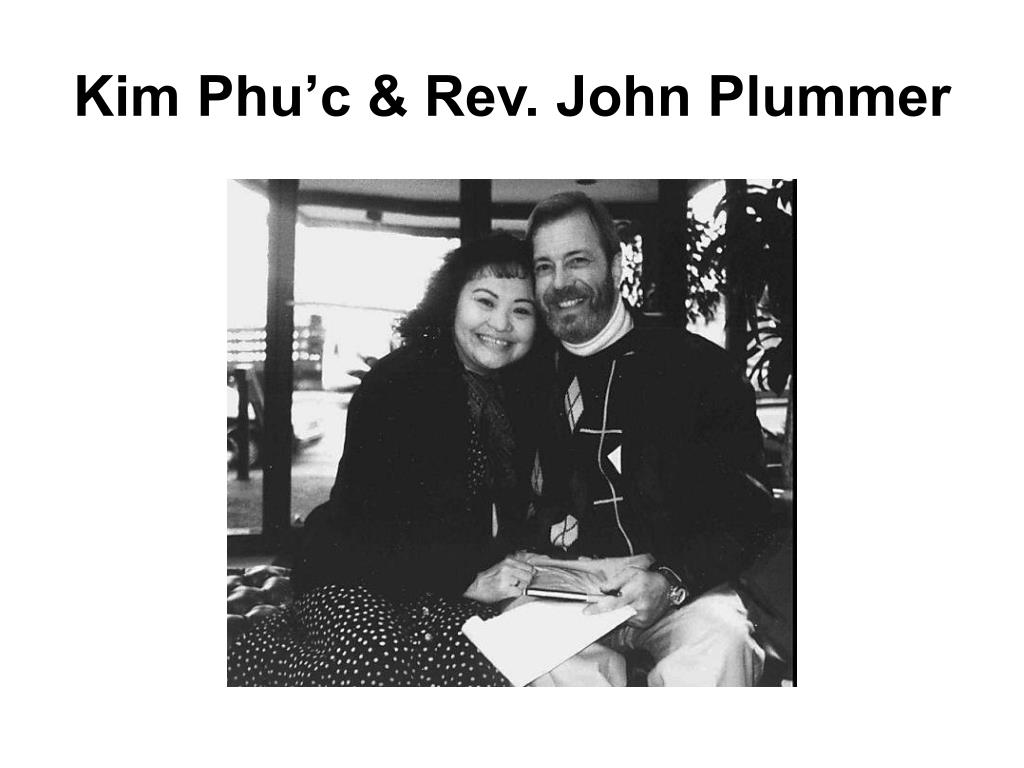
Our humanity is truly that sacred to us, that we wish to have peace amongst our fellow kind, if for a moment our ego could be spared the false belief that it can be injured or harmed by anything but ourselves.
Strangers. Friends. What is the difference? There is a collective unity that brings us together in cooperation and this is truly the only hope for us in these dark times, unstable and tumultuous. We have a lot of work to do now on this stage, setting up our mise en scene. All the actors are now coming in to place. The false impression that we are selfish or self centered is a reflection of our own environmental conditions perpetuated by a minority of sociopathic leaders. But couldn’t we in our own excitement and sisterhood join in the ecstasy of a bloody sacrifice in the name of what brings us together? After all, the insects too are our friends, dependent on this next Act–precious dear little Bees… B. Insects with no authority but the pheromones that tether their survival.
we are preparing
Leave a Reply