A very wise woman spoke to me.
She told me to go deeper into this number.
III
Three
And that former night I knew the ring of syllables that it sung when my beater struck a rhythm on it’s corner, on the meter, the pun written in chalk
de
me
ter
Δημήτηρ
She told me not to be so blocked from the head, and to let the body move it’s wisdom. Though the cryptic information is arising, the sorting is not necessary now. That I understand it and that it is now time to put it into practice, through the heart. To flow the creative powers unhinged and abundantly like an eternal spring. That I am to go the pyramid, study and learn of it’s wisdom, the chambers preserving life. The Triangle. Within the chambers, sheafs, a quantity of the ears from grain.
Preservation
Ears of a Donkey
Sheafed
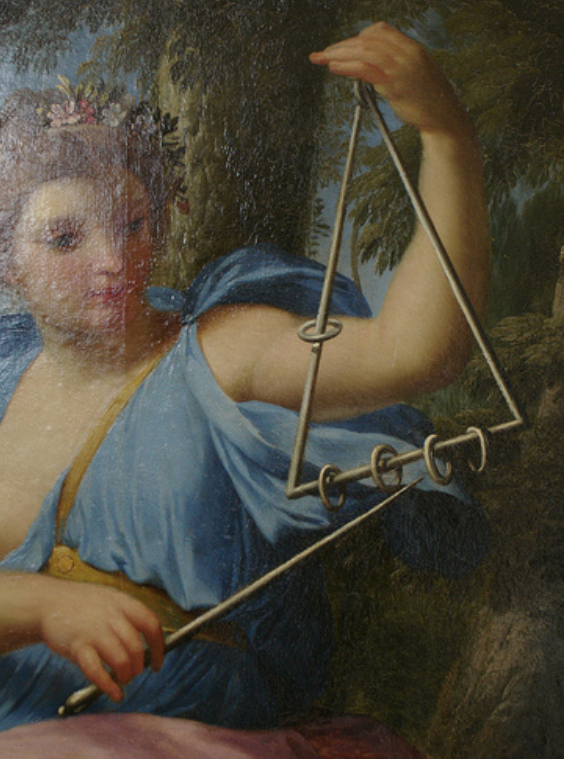
Part of the responsibility of being a scribe, is simply to put the words down. Unlock the knees, relax the mind. It is not even necessary to filter them (the words). We owe most of the wisdom that is preserved from Egypt to the scribes. Scribes recorded magic spells, wills and other legal contracts, medical procedures, tax records, and genealogies. Unfiltered, in reverence to the Gods. It has taken a long time to get to them, but now some time has arisen in the beating of the triangle’s message, it’s hierophany. The Pyramid. The chambers down below, preserving what is dead from radioactivity (light), embalmed in a particular ointment to prepare the soul for it’s journey through death, not to preserve the body from decay which is unavoidable.
Triangle
Δημήτηρ
Temple
Did you know a far earlier assumed form of the Triangle instrument perhaps came from Egypt? However, there is a struggle to find the connection historically, at least according to Mark Berry, Professor of Percussion at Western Kentucky University–they stand side by side in some visual depictions: our modern Triangle and the deeper Sistrum of Isis, perhaps more likely the Triangles “sister cousin”. Perhaps it is more closely aligned to the tambourine, as σεῖστρον means to “shake”, whatever that means.

And yay, what else perhaps got confused in it’s transmutations and appropriations? and where does the Triangle itself come from? The Godess Bastet (also known as αἴλουρος, Cat) was sometimes depicted holding a ceremonial Sistrum in one hand, bringing joy and dance.
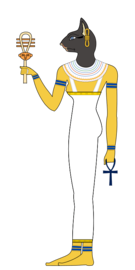
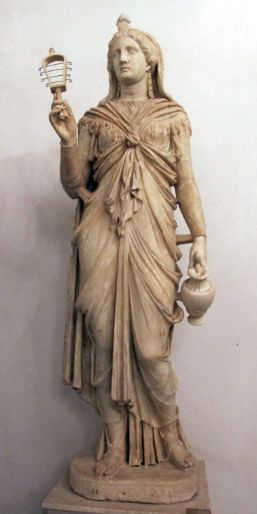
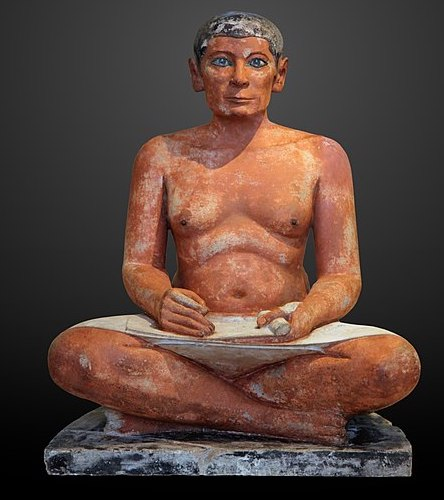
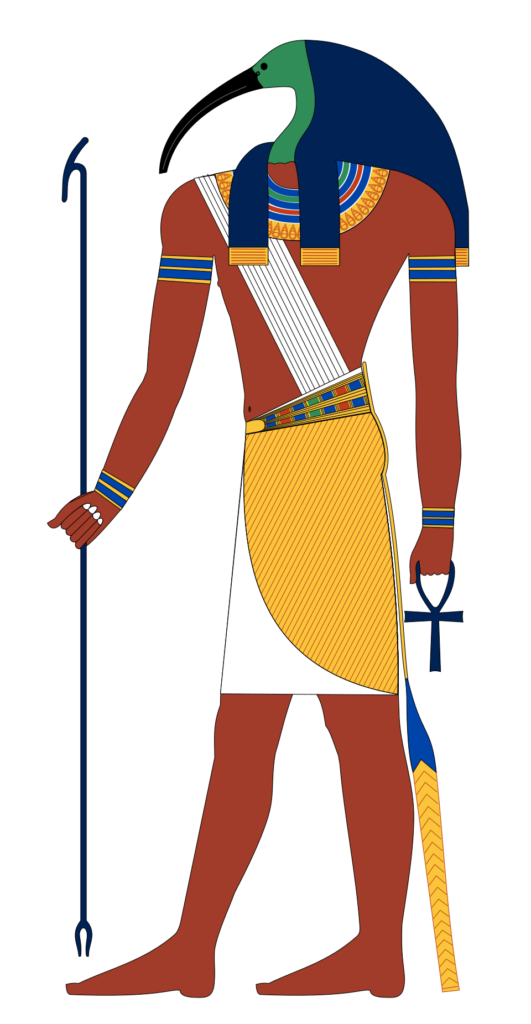
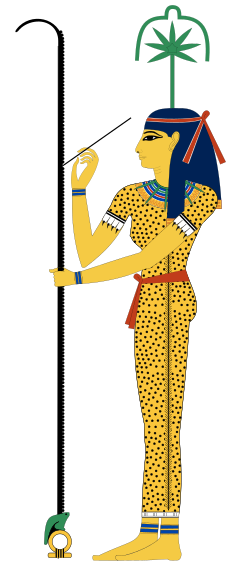
Thoth was the patron of scribes and was generally credited with the development of hieroglyphs. He was often depicted as a scribe and was responsible for recording the result of the “weighing of the heart” in the halls of judgment. Seshat was the goddess of writing (and either the wife or daughter of Thoth). She recorded the life of each person on the leaves of the sacred persea tree and was the official biographer of the pharaoh.
muthallath (Arab.)
scalischins (Fr.)
shalischim (Heb.)
staffa (It.)
staffetto (It.)
steigereif (Ger.)
trapezium (British Eng.)
trepie (Fr.)
trepit (Fr.)
trespié (Fr.)
triangel (Ger.)
triangolo (It.)
triangulo (Sp.)
tripet (Fr.)
tripos colybaeus (Lat.)
turianta (Arab. Colloq.)
zimbel (Ger.)

Leave a Reply